
 American researchers have evaluated the usefulness of acupuncture for postoperative pain. They conducted a systematic review of the evidence, including fifteen randomised controlled trials of acupuncture versus a sham control, and found that at 8 hours and 72 hours after surgery, the acupuncture groups were using significantly less opioid painkillers (eg. codeine and morphine). Furthermore, acupuncture treatment was associated with fewer opioid-related side-effects, such as nausea, sedation, dizziness, itching and urinary retention.
The authors conclude that their review suggests the perioperative administration of acupuncture may be a useful adjunct for postoperative analgesia. Further large, well-designed studies are required to confirm those findings and to answer questions regarding the most efficacious type of acupuncture and optimal timing of administration.
(Acupuncture and Related Techniques for Postoperative Pain: A Systematic Review of Randomised Controlled Trials. British Journal of Anaesthesia, August 2008.)
 A study by researchers in Brazil, suggests that acupuncture can help in the rehabilitation of women following breast cancer surgery. Twenty-nine patients with lymphoedema and/or restricted range of arm movement following surgery, were given 24 weekly acupuncture treatments. At the end of the trial, significant improvements were noted in range of movement, lymphoedema, and sense of heaviness and tightening of the affected arm.
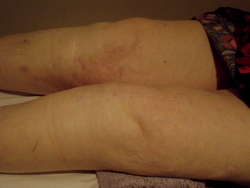 A blind, randomised, controlled trial has studied the effects of real compared to sham acupuncture for osteoarthritis of the knee. Sixty-eight patients with symptoms supported by X-ray evidence of osteoarthritis, were randomly allocated to receive either acupuncture, or non-penetrating sham acupuncture (in which the patients were lead to believe they had received real acupuncture).