
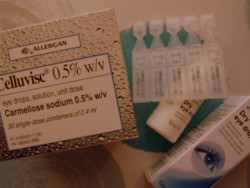
 South Korean researchers have found that acupuncture out-performed artificial tears in the treatment of dry eyes. A total of 150 patients with moderate to severe dry eye syndrome, were enrolled in a multicentre, randomised, controlled trial. Participants were randomly allocated to receive either acupuncture for four weeks, or treatment with artificial tears (sodium carboxymethylcellulose). After one month, both groups showed similar improvements in dry eye symptoms and quality of life, but tear film stability was significantly greater in the acupuncture group. Additionally, at eight weeks following cessation of acupuncture, the acupuncture patients exhibited significantly improved dry eye symptoms compared with the control group.
The researchers conclude acupuncture may have benefits on the mid-term outcomes related to dry eye syndrome compared with artificial tears.
(Acupuncture for the Treatment of Dry Eye: A Multicentre Randomised Controlled Trial with Active Comparison Intervention (Artificial Tears). PLOS One, May 2012.)
