
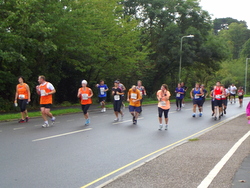
A pilot study has shown that acupuncture can speed the relief of post-exercise fatigue, by re-regulating energy metabolism and reducing the effects of oxidative stress. Fourteen young male athletes were given a standard dietary plan for two days, and then undertook a series of exhaustive running exercises followed by a short rest. They were then either given a 30 minute acupuncture treatment, or were allowed to simply rest for a further 35 minutes. NMR-based metabolomics analysis was used to assess the metabolic profiles of urine samples collected from all the athletes before exercise, before & after acupuncture, and while taking the extended rest period.
The results indicated that levels of key metabolites which had been disturbed by exercise, recovered significantly faster in the athletes given acupuncture, compared with those who simply rested. In addition, markers related to choline metabolism and oxidative stress caused by the generation of reactive oxygen species, recovered faster in the acupuncture group. The authors say this work begins to unravel biochemical mechanisms behind the effect of acupuncture on recovery, and they speculate on its usefulness in sport.
(The Intervention Effects of Acupuncture on Fatigue Induced by Exhaustive Physical Exercises: A Metabolomics Investigation. Evidence Based Complementary & Alternative Medicine, 2015.)
