
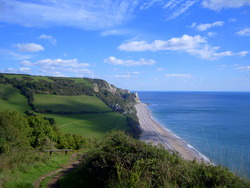
Research commissioned by the National Trust has found that walking, and coastal walking in particular, can significantly increase sleep quantity and quality.
A total of 109 participants were recruited for the study. Ages ranged from 21 to 82 years. Measures of mood and sleep quality were recorded using a questionnaire, both before and after either a coastal or an inland walk. The coast was walked by 54 participants, whilst 55 walked inland. The average walk across was 7.24 miles long and lasted three hours and 40 minutes.
Across coastal and inland walkers combined, sleep quality significantly improved the night after a walk in comparison to the night before the walk. This did not vary significantly between the two groups, although there was a slight trend towards greater sleep quality amongst coastal walkers. Alertness on waking the next morning displayed the same characteristics, with coastal walking again having a slight advantage. The average number of night time wakings was significantly reduced after a walk, across both groups. As regards sleep quantity, coastal walkers slept on average 47 minutes longer after a walk compared to the previous night, whereas the figure for inland walkers was 12 minutes. Both groups felt significantly happier and more calm after their walks, with a sense of reflection, freedom and escape being commonly reported.
(Sleep, Mood and Coastal Walking: A Report Prepared for the National Trust by Eleanor Ratcliffe, August 2015.)
