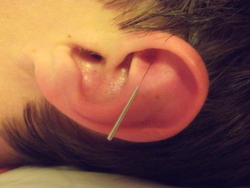
Acupuncture helps cancer pain quickly and reduces the use of analgesics, according to researchers. A total of 160 patients were randomly assigned to one of four groups: conventional opioid painkillers only; opioids plus wrist-ankle acupuncture; opioids plus ear acupuncture; opioids plus wrist-ankle and ear acupuncture.
The analgesic effect reported in the group receiving opioids only, was significantly lower than that reported in the three acupuncture groups. The most effective analgesic effect was found in the group receiving wrist-ankle plus ear acupuncture: 45% of patients in this group reported pain within a tolerable range and felt no need for medication.
(Effect of wrist-ankle acupuncture therapy combined with auricular acupuncture on cancer pain: A four-parallel arm randomized controlled trial. Complementary Therapies in Clinical Practice, May 2020.)
Author: Robin Costello
I offer traditional Chinese acupuncture in Exeter, from a tranquil clinic a mile from the city centre, and next to the University of Exeter. I graduated originally from the London School of Acupuncture and Traditional Chinese Medicine’s 3 year full time Acupuncture Diploma (DipAc) course. I am on the practitioners register of the British Acupuncture Council (MBAcC), a regulatory and professional body with an entry standard of a full three year undergraduate degree level training.
I have worked in a hospital in south west China, deepening my knowledge and using acupuncture and Chinese massage (tuina) as the treatment of choice in its country of origin. I have taught Chinese medicine in colleges, the NHS and at university level. I also practise Qi Gong, and Chinese dietary therapy, that is the medicinal use of ordinary foods, chosen to help achieve particular therapeutic effects in different individuals.
View all posts by Robin Costello

