
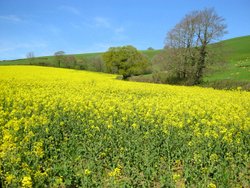
A review by Natural England of projects which set out to achieve greater involvement by people, in the natural environment, has identified a number of key benefits for participants’ mental health. The review spanned activities such as therapeutic gardening, food growing and environmental conservation work. Groups taking part were drawn from both the general population and those who were already experiencing mental health problems.
Benefits identified included: improvements in depression, anxiety and stress related symptoms; improvements in dementia-related symptoms; improved self-esteem, confidence, happiness, satisfaction, mood and quality of life; increased attention capacity and cognition; sense of peace, calm or relaxation; increased social contact, sense of belonging and personal achievement.
(A review of nature-based interventions for mental health care. Natural England Commissioned Report NECR204, uploaded 9 February 2016.)

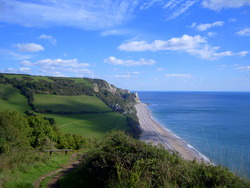
 As we approach the winter solstice and our days are at their shortest, it is timely to report that the Government’s Scientific Advisory Committee on Nutrition, this summer published draft recommendations to set a new reference nutrient intake (RNI) for vitamin D. The British weather and indoor work are some of the factors which mean dietary vitamin D alone may be inadequate.
 Research by the University of Utrecht in Holland, shows that Dutch cyclists live on average six months longer than their non-cycling counterparts. This feeds through into 6500 fewer deaths per annum.