Acupuncture helps Childhood Asthma Rehabilitation

Acupuncture for childhood asthma.
A study in Germany has shown that acupuncture can be a useful addition to usual care, in childhood asthma rehabilitation programmes.

A total of 93 paediatric patients were randomly assigned to receive either usual care, or usual care plus 12 weekly acupuncture treatments which were individualised according to each patient’s traditional Chinese medical diagnosis. In the acupuncture group following treatment, peak expiratory flow variability showed significant improvement compared with that of the control group. Additionally, the acupuncture group showed significantly reduced levels of perceived anxiety.

(Acupuncture in Children and Adolescents with Bronchial Asthma: A Randomised Controlled Study. Complementary Therapies in Medicine, October 2011.)


Acupuncture Contributes Substantially to UK Healthcare

Acupuncture contributes substantially to UK healthcare.
A major national survey of UK acupuncture practitioners, has found that there are an estimated four million treatments annually, which contribute substantially to healthcare in this country.

A team of UK authors contacted 800 practitioners representing a random cross-section of the four major national professional bodies. Of the 330 who responded, 29% were doctors, 29% physiotherapists, 15% nurses and 27% independent professional acupuncturists. The majority (68%) worked in independent settings, whilst the remaining 42% were based in the NHS. Patients were found to seek treatment most commonly for lower back, neck , shoulder and knee pain, aswell as for headaches and migraine. Treatments for infertility by independent acupuncturists, were found to have increased fivefold in the last ten years.

The authors conclude that the primary complaints for which patients are seeking treatment, reflect an expanding evidence base for these conditions, and this should inform future health policy and practice.

(Acupuncture in Practice: Mapping the Providers, the Patients and the Settings in a National Cross-Sectional Survey. BMJ Open, January 2012.)

Acupuncture helps Post-Operative Nausea in Children

Acupuncture helps post-operative nausea in children
Researchers at the University of Oslo’s Department of Dentistry have concluded that acupuncture is an effective adjunctive treatment for post-operative nausea and vomiting in children after surgery to remove adenoids or tonsils.

In a randomised controlled trial, 154 children were selected to receive either acupuncture during anaesthesia plus acupressure wristbands for the following 24 hours alongside standard drug treatment, or they received standard drug treatment alone. The acupuncture group experienced significantly less retching and vomiting (46.8%) compared with the control group (66.2%).

(Perioperative Acupuncture and Postoperative Acupressure can prevent Postoperative Vomiting following Paediatric Tonsillectomy or Adenoidectomy: A Pragmatic Randomised Controlled Trial. Acupuncture in Medicine, Dec 2010. Epub ahead of print.)

Acupuncture prevents recurrence of Cardiac Arrhythmia

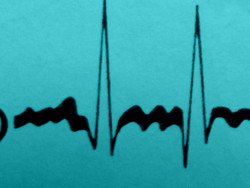
Acupuncture helps prevent recurrence of cardiac arrhythmias. Researchers in Italy have found that acupuncture prevents recurrence of arrhythmias in patients who have undergone cardioversion treatment (electrical stimulation of the heart back into regular rhythm) for persistent atrial fibrillation.

Eighty patients were enrolled in the study: 26 were already on a standard anti-arrhythmic drug, whilst the remaining 54 were randomly allocated to receive acupuncture, sham acupuncture, or neither the drug nor acupuncture. The acupuncture group received ten weekly treatments. During a one year follow-up period, arrhythmia recurrence rates were 27% in the drug group and 35% in the acupuncture group. However, in the sham acupuncture group, recurrence was 69%, and in the no-treatment group, it was 54%. Acupuncture was thus similar in benefit to standard drug treatment.

(Efficacy of Acupuncture in Preventing Atrial Fibrillation Recurrences After Electrical Cardioversion. Journal of Cardiovasc Electrophysiol. Aug 2010. Epub ahead of print.)

Acupuncture Reduces Crying from Colic

As a follow-on from the research reported here on 11 March 2009, Swedish scientists have demonstrated in a randomised controlled trial, that minimal acupuncture can reduce the intensity and duration of crying in infants with colic.

Ninety otherwise-healthy infants, aged two to eight weeks old, and with infantile colic, were assigned to receive either six acupuncture treatments over three weeks, or no acupuncture. Parents were blinded as to the allocation of their children. The results showed that infants who had acupuncture, recovered from colic more quickly, and exhibited less fussing and crying over the treatment period.

(Acupuncture Reduces Crying in Infants with Infantile Colic: A Randomised, Controlled Blind Clinical Study. Acupuncture in Medicine, Dec 2010.)